
For Educators and School Staff
You know something is off. The question is what.
Educators are often the first people to notice that a student isn't keeping up, not because they aren't trying, but because something about the way they're learning isn't clicking. Maybe the classroom accommodations aren't helping as much as they should. Maybe a school evaluation came back inconclusive, or identified one piece but left other questions unanswered. Maybe a student has a diagnosis that doesn't quite explain everything you're seeing.
A neuropsychological evaluation from an independent provider can fill in those gaps. It goes deeper than most school-based assessments, examines the cognitive processes underlying a student's difficulties, and produces specific, actionable recommendations, not just a label.
At Clary Clinic, we see students from school age through young adulthood and work closely with educators and teams who support them.
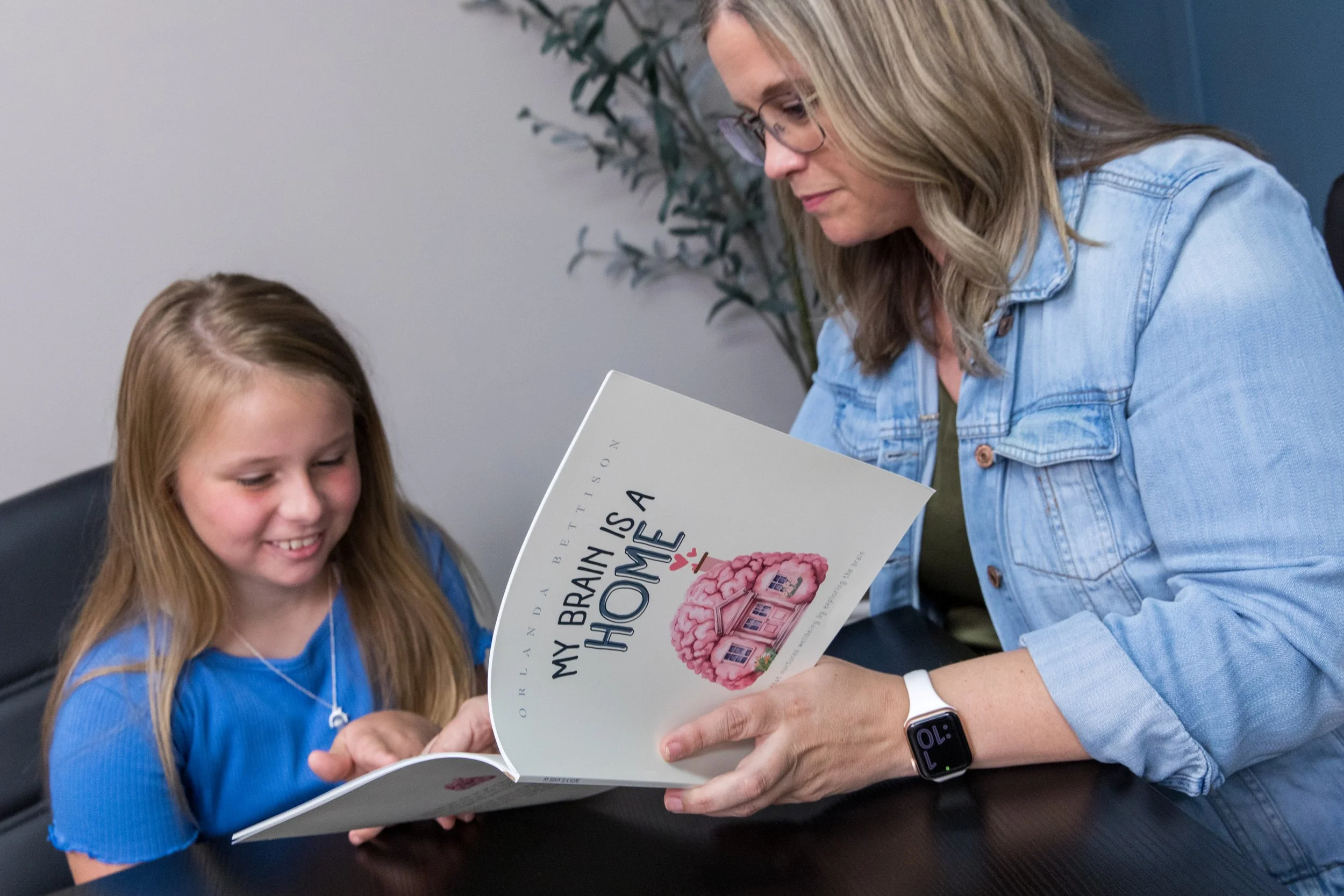
What a neuropsychological evaluation adds
School psychologists do amazing and important work, but school evaluations are designed to determine eligibility for school-based services, not to provide a complete picture of why a student is struggling and what will specifically help them across the home and community A neuropsychological evaluation is broader and goes deeper, examining:
Cognitive and intellectual functioning across multiple domains
Attention, processing speed, and working memory
Language and phonological processing
Executive functioning (planning, organization, mental flexibility, and self-monitoring)
Academic achievement in reading, writing, and mathematics
Social-emotional functioning and behavioral regulation
Sensory processing, when relevant
The result is a comprehensive report that explains not just what a student's profile looks like, but why, and what to do about it.
Reports from Clary Clinic are written to be genuinely useful to readers: clear, specific, and directly applicable to educational planning.
Common reasons educators refer students to Clary Clinic
A student's struggles don't match their apparent ability, bright, engaged, but persistently behind
A previous evaluation identified ADHD, but didn't explain the full picture
Concerns about a possible learning disability, including dyslexia, dysgraphia, or dyscalculia
A student who may have autism but doesn't fit the typical presentation, particularly girls
Questions about twice-exceptionality: a student who is both gifted and struggling
A school evaluation was completed, but parents disagree with the results or feel it was incomplete
A student needs more comprehensive documentation to support an IEP or 504 plan
Transition planning for older students heading into college or vocational programs
Referring a student
Referring to Clary Clinic is straightforward. No complex paperwork or formal referral form required; a conversation is enough to get started.
The most common path for school-based referrals:
Share Clary Clinic's information with the family and encourage them to reach out directly
With the family's written consent, you're welcome to send any relevant school records, prior evaluations, or teacher observations to help inform the evaluation
We'll handle scheduling, intake, and communication with the family from there
With appropriate releases, we're happy to share the report with the school team and discuss findings
To connect with us: Call or text: (320) 247-4068 Email: admin@claryclinic.com Fax records: (218) 656-7265
Appointments are typically available within 30 days.